Explore three possible student projects: the question behind each idea, a practical next step, and the support that could help. These are illustrative concepts, not reports of active student projects.
Concept journal — three possibilities for learning through community projects. No active teams or verified outcomes are represented here.
Environment / Sample project
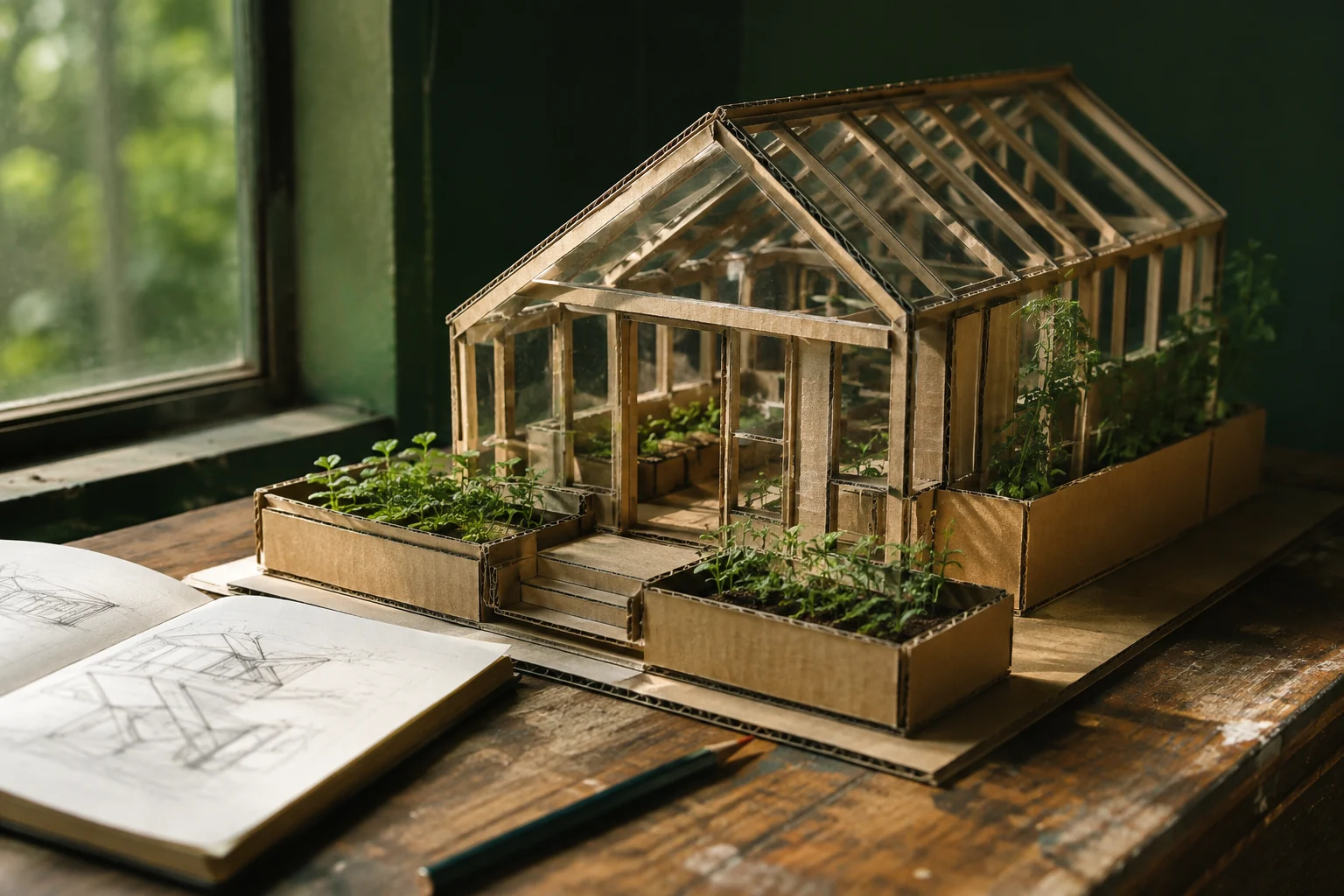
A small garden, a shared learning space
Students explore how a neighborhood garden could become a place to learn about food, soil, and caring for shared spaces.
Question: Who would use and care for a shared garden?
Illustrative project scene · AI-generatedExplore the project notes +
Why this idea matters
A shared garden can connect students with the neighbors who would use it. The learning starts with listening: what should grow here, who will care for the space, and how can the project remain useful over time?
An experiment to consider
A first experiment could compare two garden layouts with community members, then explore low-cost materials and seasonal planting options.
What students could learn
How to design a shared space around what neighbors actually need.
Education / Sample project
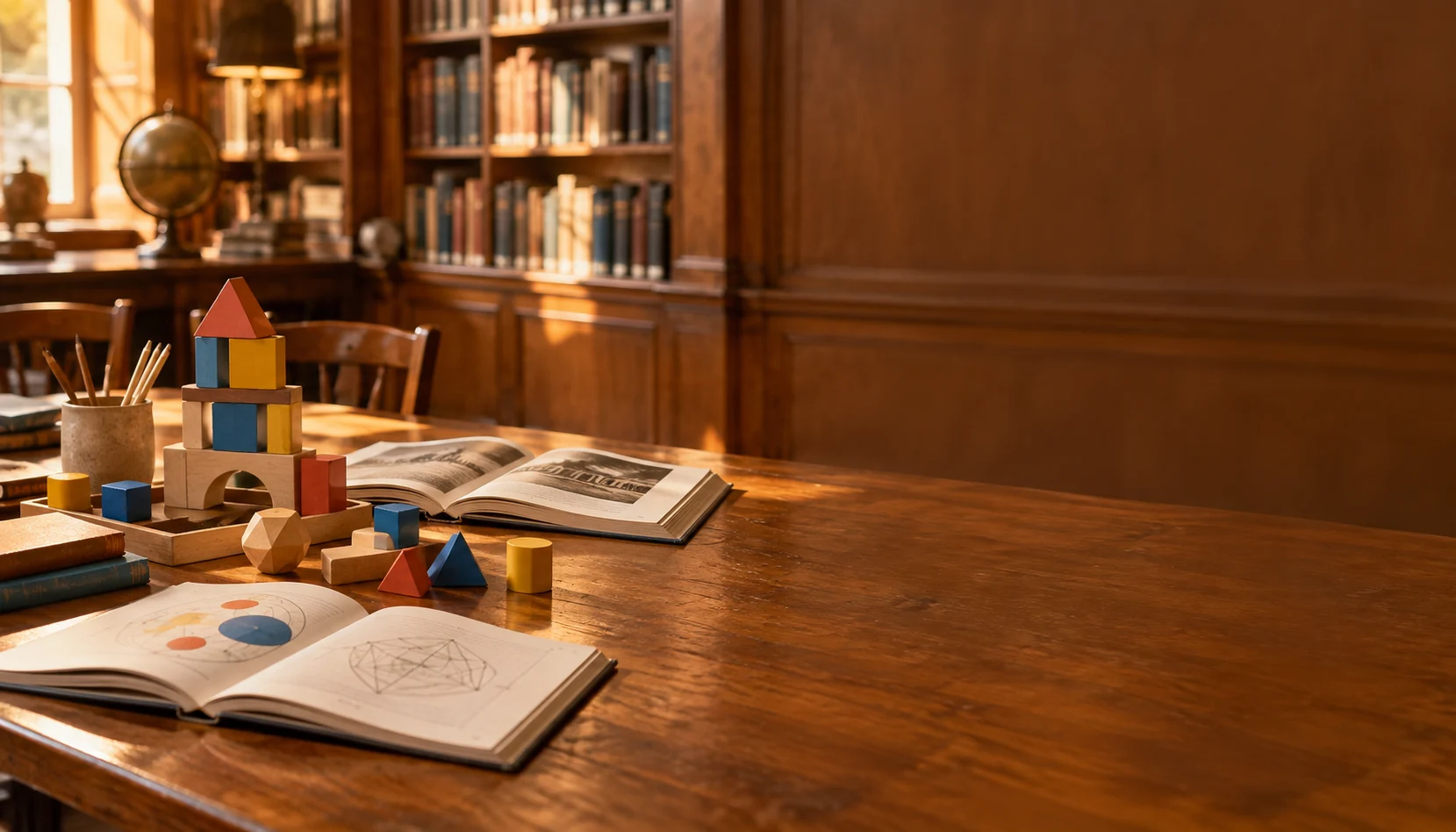
Making room for peer-to-peer learning
A student-designed study group pairs shared practice with encouragement, helping younger learners build confidence.
Question: What makes asking for help feel easier?
Illustrative project scene · AI-generatedExplore the project notes +
Why this idea matters
Peer learning gives students a way to share what they know and make it easier for others to ask for help. Designing the sessions means thinking about different needs, listening to feedback, and building confidence together.
An experiment to consider
A first experiment could test one short activity and a facilitator guide with an educator, focusing on welcoming questions and making sessions easy to follow.
What students could learn
Which activities help learners feel comfortable asking questions.
Community design / Sample project
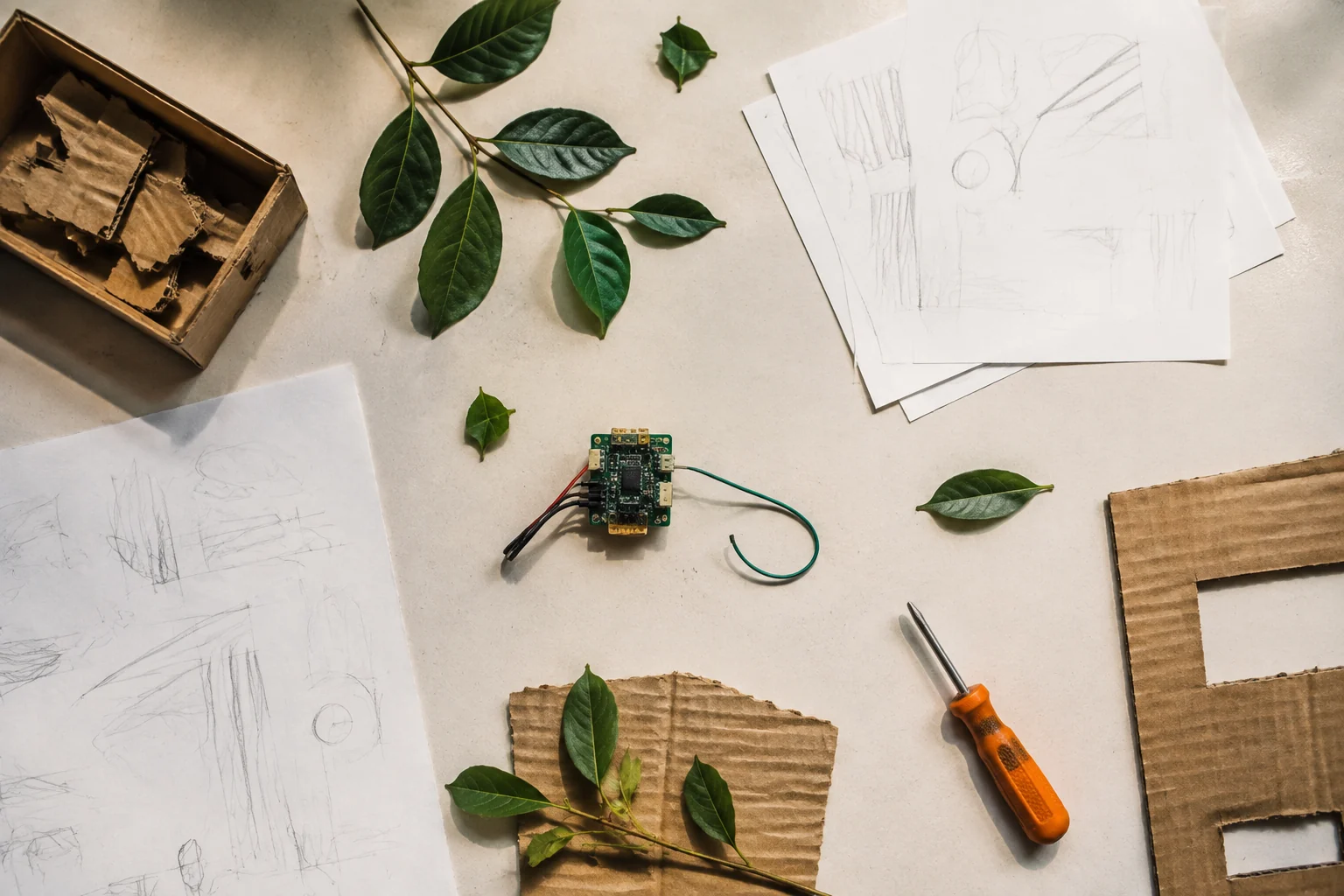
A second life for everyday materials
Students investigate practical ways to reduce waste through repair, reuse, and creative problem-solving.
Question: What could be repaired instead of discarded?
Illustrative project scene · AI-generatedExplore the project notes +
Why this idea matters
Repair and reuse turn everyday waste into a question students can investigate. A useful workshop would help neighbors learn practical skills while giving the student team experience in planning, explaining, and making responsible choices.
An experiment to consider
A first experiment could map commonly discarded materials and sketch one workshop, identifying which activities require adult guidance.
What students could learn
How to make reuse practical, safe, and easy to teach.
What question would you start with?
Real project photos, sketches, and student reflections will belong here once provided and approved for sharing. No verified outcomes are published yet.